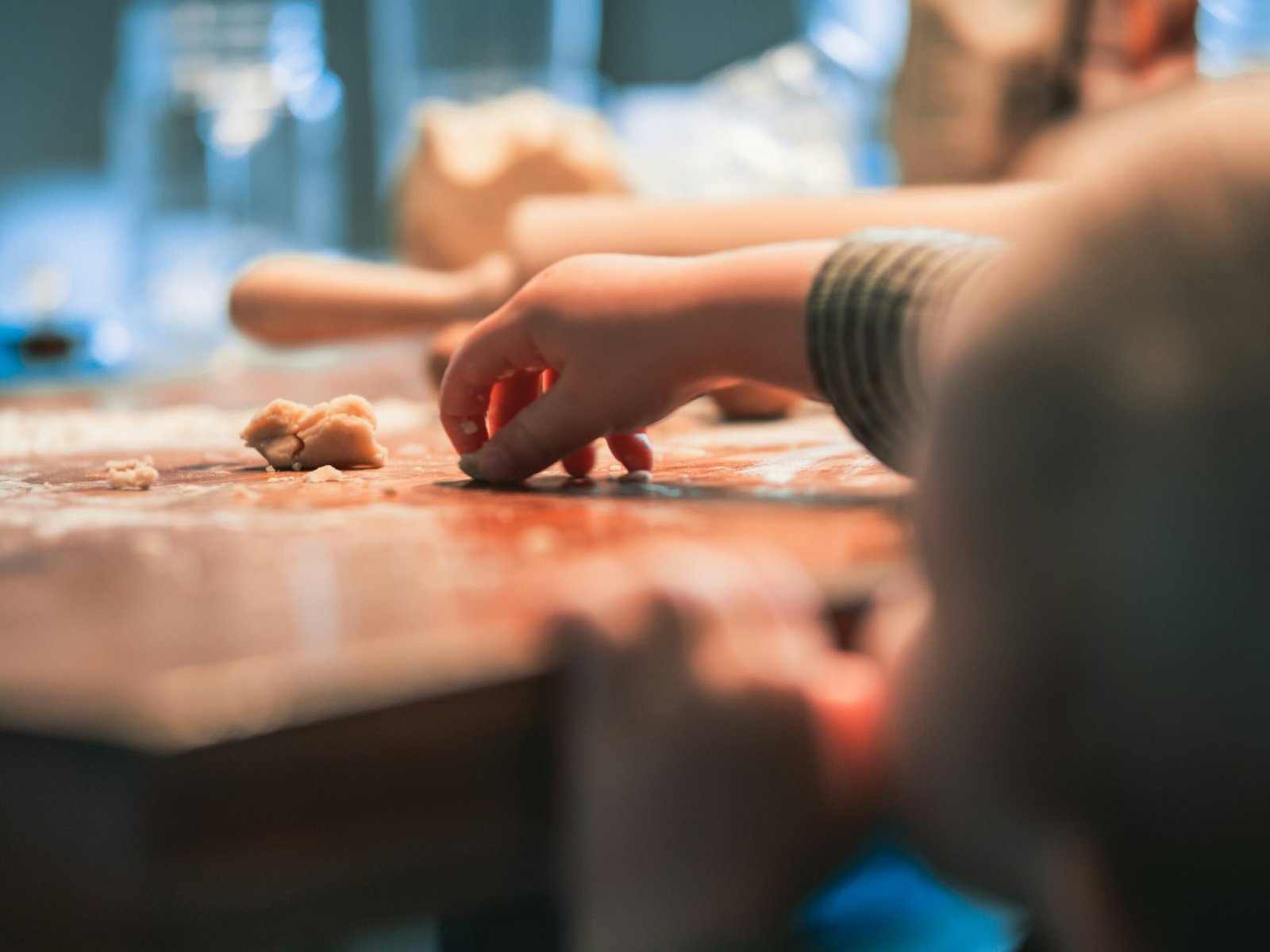
Introduction to Sensory Play and Mud Pies
Sensory play encompasses any activity that stimulates a child’s senses, including touch, smell, sight, and sound, thereby promoting exploration and learning. Children naturally engage in sensory play through hands-on experiences, allowing them to investigate materials and the world around them. This aspect of development is crucial, as it fosters cognitive growth, motor skills, and social interaction. Among various sensory play activities, mud pie recipes stand out as a delightful and creative option for children of all ages.
At its core, mud pie making is a simple yet effective way for kids to indulge in messy play ideas that encourage experimentation and creativity. This activity involves mixing soil, water, and other natural elements to create miniature “pies” in various shapes and sizes. By engaging in mud pie recipes, children learn to use their imaginations while enhancing their fine motor skills through pouring, mixing, and molding to create their masterpieces.
The benefits of using mud and natural materials in play are manifold. Firstly, mud provides a tactile experience that helps children refine their sensory responses. This outdoor craft for kids offers an excellent opportunity to immerse themselves in nature, helping to strengthen their connection to the environment. Furthermore, sensory play activities like mud pies facilitate social interaction, as children can collaborate and share ideas during outdoor play. The exploration of various textures, colors, and scents enhances their understanding of the environment while promoting curiosity.
Engaging in mud pies as part of EYFS outdoor learning ideas can significantly enrich a child’s education. Through these nature activities for toddlers, children develop essential life skills that extend beyond play. As they navigate the creative process of making mud pies, they also learn important concepts such as measurement, balance, and spatial awareness, making it a holistic experience for their development.
Recipe 1: Classic Mud Pie
The classic mud pie is an engaging sensory play activity that encourages creativity and exploration, making it an enjoyable experience for children. This particular mud pie recipe is simple and utilizes natural resources that are often readily available in any backyard or outdoor environment.
To get started, you will need a few basic materials:
– Soil (use dirt or garden soil)
– Water (preferably collected rainwater)
– Natural objects such as leaves, pebbles, twigs, or flower petals for decoration
– A mixing bowl, shovel, or hands for combining the materials
Begin by gathering your materials outdoors. Choose a suitable area, such as a garden or a play area, where your children can freely explore and interact with nature. Allow them to collect soil and natural decorations; this not only promotes creativity but also serves as a delightful part of the outdoor crafts for kids.
Next, in a mixing bowl or directly on the ground, combine the soil with enough water to create a thick, workable mud consistency. Encourage your children to use their hands or shovels to mix the materials thoroughly. As they engage with the mixture, they can experiment with different textures by adding more soil or water as desired.
Once the mix is satisfactory, demonstrate how to shape the mud into pie forms. They can use various molds or their hands to create distinct shapes that encourage imaginative play. Enhance the sensory play activities by allowing children to decorate their mud pie with the collected natural objects, providing an opportunity for them to explore color, shape, and texture.
Finally, remember that the process is just as important as the end result. Allow the children to immerse themselves in this messy play idea, fostering an appreciation for nature while developing fine motor skills. The classic mud pie not only serves as a delightful project but also ties in beautifully with EYFS outdoor learning ideas, making it a vital part of everyday nature activities for toddlers.
Recipe 2: Chocolate Mud Pie (Play Dough Style)
Creating a chocolate-themed mud pie can add a delightful twist to sensory play activities. This particular recipe uses play dough, which can be made at home with simple ingredients. To begin, gather the following components: all-purpose flour, water, salt, cream of tartar, vegetable oil, cocoa powder, and food coloring.
First, mix two cups of flour, one cup of salt, and one tablespoon of cream of tartar in a large mixing bowl. In a separate container, combine one and a half cups of water, two tablespoons of vegetable oil, and three tablespoons of cocoa powder. Stir well until the cocoa is fully dissolved. Gradually add the wet ingredients to the dry mixture, stirring continuously until a dough forms.
Once the dough has cooled slightly, knead it on a floured surface until smooth and pliable. For an added visual appeal, incorporate a few drops of brown food coloring to enhance the rich chocolate color. This not only engages little ones visually but also lets them experience a tactile sensation as they form their mud pie.
To further enrich the sensory experience, textures and scents can play a pivotal role. Adding cocoa powder not only gives a chocolate scent but can also be sprinkled on top to represent soil. This mimics outdoor crafts for kids, where elements from nature can be introduced to enhance the play. Let children dive into their imaginative worlds by creating fake edible decorations such as fruit-shaped pom-poms or crunchable cereal pieces to mimic toppings.
Encouraging toddlers to use their creativity and include their favorite decorative elements can turn this into one of the best messy play ideas. In conclusion, the chocolate mud pie serves as an engaging option that intertwines elements of arts and crafts, while also promoting outdoor learning ideas for EYFS by making connections with nature.
Recipe 3: Edible Mud Pie for Sensory Tasting
Creating an edible mud pie is not only a fun sensory play activity but also a delightful treat for kids to engage their taste buds and texture curiosity. This recipe incorporates easily accessible ingredients such as chocolate pudding, crushed cookies, and gummy worms, providing a safe and delicious experience. Here’s how to assemble this playful dessert.
Ingredients:
- 2 packets of chocolate pudding mix
- 2 cups of milk
- 1 cup of crushed chocolate cookies (like Oreos)
- 1 cup of gummy worms
- Optional: Whipped cream for topping
Instructions:
- In a mixing bowl, prepare the chocolate pudding by whisking together the pudding mix and milk until fully combined. Allow it to set in the refrigerator for about 5 minutes.
- While the pudding is setting, take your chocolate cookies and crush them into fine crumbs. This will serve as the “dirt” layer of your mud pie.
- Once the pudding has thickened, take a serving dish or individual cups and layer the ingredients, starting with a generous layer of chocolate pudding.
- Add a layer of crushed cookies on top of the pudding to create the mud effect. This contrast enhances the sensory experience of digging into the “mud” and discovering different textures.
- Finally, place gummy worms on top of the pie to provide an additional sensory aspect, as kids can wiggle them about as they explore their edible mud pie.
- If desired, add a dollop of whipped cream to the top for extra flair and texture.
Not only is this edible mud pie a feast for the eyes, but it also promotes sensory play activities through taste and texture. Children will thoroughly enjoy feeling the different ingredients in their hands while exploring this delicious treat. Additionally, it can be easily incorporated into outdoor crafts for kids or EYFS outdoor learning ideas by setting up a tasting station in the yard. Remember, mud pie recipes like this not only spark creativity but also foster excitement about nature activities for toddlers.
Recipe 4: Nature-Inspired Mud Pie with Leaves and Flowers
Creating a nature-inspired mud pie is a delightful sensory play activity that allows children to explore the natural world while engaging in messy play ideas. To begin, gather a selection of natural materials such as leaves, flowers, and twigs from your backyard or a nearby park. Be sure to select items that are safe and non-toxic. Consider incorporating different types of leaves and colorful flowers to enhance the visual appeal and tactile experience of the mud pie.
Once the materials are collected, it’s time to prepare the mud mixture. Start by adding water to soil or dirt until you achieve a thick, pudding-like consistency. This will provide a perfect base for your mud pie activities. Encourage children to mix and knead the mud, focusing on the textures as they create their own masterpieces. As they play, they can add their collected leaves and flowers, experimenting with different arrangements and combinations.
Incorporating sensory play activities with natural elements not only promotes creativity but also supports the various EYFS outdoor learning ideas, aiding in the development of fine motor skills. The vibrant colors of the leaves and flowers contrasting against the brown mud create a stimulating visual experience, which can also enhance discussions about nature and the environment.
As a precaution, ensure children understand which materials are safe for handling. Supervise them during the collecting process to point out potentially harmful plants or debris. This thoughtful approach not only keeps the play safe but also educates children about their surroundings.
Making a nature-inspired mud pie provides a unique opportunity for outdoor crafts for kids that immerse them in playful exploration and discovery.
Recipe 5: Seasonal Themed Mud Pie
Creating a seasonal-themed mud pie can be a delightful and creative sensory play activity. It not only introduces children to nature but also enables them to explore various textures, scents, and colors that are associated with different seasons and holidays. This mud pie recipe can be adapted to reflect the nuances of each season, making it an excellent tool for EYFS outdoor learning ideas.
For a spring-themed mud pie, consider using floral accents and vibrant colors. Start with a mixture of dirt and water to create the mud base. Children can then add elements like artificial flowers, leaves, or even scented herbs such as mint or lavender to their creation. This not only enhances the visual appeal of the mud pie but also engages children in sensory play activities by stimulating their sense of smell.
In the fall, transform your mud pie into a festive Halloween-themed creation. Use dark soil to mimic the earth and decorate it with small, spooky candy corn pieces, plastic spiders, or autumn leaves. Children can enjoy the texture of the mud while incorporating elements that evoke the spirit of the season. Using a mix of colors such as orange, black, and purple can truly bring their Halloween mud pie to life.
For winter-themed mud pies, encourage kids to create a snowy landscape by incorporating white sand or crushed ice in the mud mixture. Add in seasonal decorations like glittering stars or snowflakes made of paper to symbolize winter festivities. This seasonal adaptation allows for a wide range of messy play ideas that can be explored outside, promoting cognitive development through imaginative play.
By integrating elements from different seasons, children can experience the changing nature of their environment, enhancing their understanding of the world around them while participating in enjoyable nature activities for toddlers. Seasonal-themed mud pies provide an excellent platform for creativity and exploration that can be revisited throughout the year.
Setting Up a Mud Pie Station
Creating an engaging outdoor space for mud pie play is essential for encouraging sensory exploration and creativity. A well-organized mud pie station can provide children with endless opportunities for participation in sensory play activities that enhance their developmental skills. First, choose a suitable location outside, preferably a well-drained area to minimize standing water. This ensures that the mud is not overly sloshy, contributing to a more enjoyable experience.
Gather essential materials that facilitate mud pie recipes. Simple items such as buckets, spoons, cups, and molds are perfect for young hands. You can also include kitchen tools like spatulas and whisks, as they help to promote imaginative play. Having a variety of textures is beneficial; consider adding sand, leaves, or small stones to the mud, allowing children to engage with nature while they create their masterpieces.
When organizing the area, ensure that everything is easily accessible for children. Set up different zones within the station for specific activities, such as one for mixing, another for molding, and a designated spot for drying completed mud creations. Safety should be a priority, so inspect the space to remove any sharp objects or hazardous items. Following local guidelines regarding outdoor play ensures that you create a safe environment where children can engage in messy play ideas without unnecessary risks.
Finally, encourage parental involvement and communication during these activities. Sharing tips or even joining in the fun can foster stronger connections while inspiring innovative outdoor crafts for kids. With an inviting setup and an organized approach, your mud pie station will become a hub for nature activities for toddlers, promoting joyful and creative learning through every mud pie recipe crafted.
Cleaning Up After Mud Play
Engaging in mud pie recipes can certainly provide an exciting adventure for children, allowing for creative sensory play and exploration of textures. However, the fun often leads to a messy aftermath. Proper cleanup is essential to ensure a positive experience while teaching children about responsibility and caring for their environment.
When it comes to washing off mud from skin, start by rinsing with lukewarm water before adding soap. This initial rinse helps to loosen the dirt effectively. Using a gentle, moisturizing soap is recommended to prevent dryness, especially for sensitive skin. Encourage toddlers to scrub their hands and other affected areas thoroughly, ensuring no residual mud remains. Follow up with a soft towel to dry, teaching them the importance of being tidy after their messy play activities.
For clothing, it is advisable to treat mud stains as soon as possible. Gently scrape off excess mud before letting the garment soak in cold water. Avoid using hot water as it can set the stains. After soaking, apply a stain remover or a mix of laundry detergent and water directly to the stained areas and let it sit for about 30 minutes. Rinse and then wash in the machine as usual, making sure to follow the care instructions outlined on the clothing label.
Lastly, care for tools and equipment used during the mud play is equally important. If you’ve employed shovels, buckets, or molds in your outdoor crafts for kids, rinse them off with water and scrub with a brush if necessary to remove any stuck-on dirt. Proper cleaning and drying will ensure these tools remain in good condition for future sensory play activities. By establishing a routine for cleanup, children can develop good habits associated with nature activities for toddlers and enjoy every aspect of their outdoor adventures.
Conclusion and Encouragement for Exploration
Engaging children in sensory play activities, such as creating mud pies, offers an avenue for exploration and learning that is filled with joy and creativity. Incorporating mud pie recipes into regular playtime can significantly benefit a child’s developmental skills, allowing them to experiment with textures, scents, and various natural materials. Sensory play not only stimulates a child’s senses but also fosters important cognitive processes, such as problem-solving and critical thinking.
Through mud play, children are encouraged to embrace their imagination and engage in messy play ideas that challenge them to interact with nature in unique ways. These activities enhance their fine motor skills as they dig, mold, and shape their creations, reinforcing their hand-eye coordination and dexterity. Moreover, outdoor crafts for kids, including mud pies, provide opportunities for social interaction, enabling children to collaborate and communicate effectively with peers.
For caregivers and educators, integrating EYFS outdoor learning ideas with nature activities for toddlers proves beneficial, not only in terms of the physical environment but also through promoting a sense of wonder and curiosity about the world around them. Mud play encourages children to observe their surroundings, fostering a connection with nature that is vital for their overall development.
We invite parents and caregivers to embrace these enriching experiences and make mud pies a regular part of their outdoor play activities. Sharing your own variations of mud pie recipes and sensory explorations not only enhances your family’s experiences but provides inspiration for others. Let’s encourage creativity and a deeper appreciation for the simple joys of nature through playful exploration!